Understanding Men's Nutrition Habits
An educational resource exploring dietary patterns, food choices, and the context of natural supplements in men's nutrition.

Introduction to Men's Nutrition Habits
Nutrition habits vary significantly among individuals based on cultural background, lifestyle choices, and personal preferences. Men's dietary patterns have been observed and documented across various cultures and time periods, reflecting diverse approaches to food selection and meal composition.
This resource provides educational context about how nutrition habits are formed, what influences food choices, and how dietary patterns differ across populations. Understanding these patterns helps build awareness about the diversity of nutritional approaches worldwide.
The study of nutrition habits includes examining meal timing, food combinations, ingredient selection, and the cultural context that shapes dietary decisions. These observations form the foundation for understanding nutritional diversity.

Overview of Natural Supplements
Natural supplements represent a category of dietary additions derived from plants, minerals, and other naturally occurring sources. These substances have been part of human nutrition across different cultures and historical periods.
Common natural supplements include plant extracts, mineral compounds, and amino acids found in various food sources. The market for these products reflects consumer interest in exploring diverse nutritional options beyond conventional foods.
Educational resources about natural supplements focus on understanding their origins, composition, and the cultural contexts in which they have been traditionally consumed.

Daily Routines and Dietary Context
Daily nutrition patterns are shaped by work schedules, physical activity levels, social commitments, and personal preferences. Men's dietary routines often reflect these various lifestyle factors and may change throughout different life stages.
Meal frequency, portion sizes, and food selection are influenced by cultural norms, availability of ingredients, and individual habits developed over time. These patterns create a framework for understanding dietary diversity.
Observing daily routines provides insight into how nutrition fits within broader lifestyle contexts and how dietary patterns emerge from the interaction of multiple factors.

Historical Perspective on Supplements
Throughout history, various cultures have incorporated plant-based substances and mineral-rich foods into their diets. Ancient civilizations documented the use of specific herbs, roots, and extracts as part of their nutritional traditions.
Historical records show that people across different regions developed knowledge about local plants and their nutritional properties. This knowledge was passed through generations and formed the basis for traditional dietary practices.
Understanding the historical context of natural supplements provides insight into how these substances became integrated into various cultural food systems and dietary traditions.
Natural Supplements Commonly Discussed for Men

Magnesium
Magnesium is a mineral found in various foods including nuts, seeds, whole grains, and leafy vegetables. It is present in many dietary sources and has been studied in nutritional science.
Dietary sources of magnesium include almonds, spinach, black beans, and whole wheat bread. These foods are commonly incorporated into diverse meal plans.

Zinc
Zinc is another mineral present in various food sources including meat, legumes, seeds, and dairy products. It is one of the minerals frequently mentioned in nutritional literature.
Common dietary sources include oysters, beef, pumpkin seeds, and lentils. These foods are part of many traditional and contemporary diets worldwide.

Vitamin D
Vitamin D is found in certain foods such as fatty fish, egg yolks, and fortified dairy products. It is also synthesized when skin is exposed to sunlight.
Dietary sources include salmon, mackerel, sardines, and fortified plant-based beverages. These foods contribute to the overall dietary variety.
Limitations and Context
The information presented on this resource is educational and descriptive in nature. It does not constitute individual recommendations or guidance for personal dietary decisions.
Nutritional approaches vary widely among individuals and populations. What is described here reflects general observations and educational context rather than prescriptive advice.
These materials do not replace personalized assessment or individual decision-making regarding dietary choices.
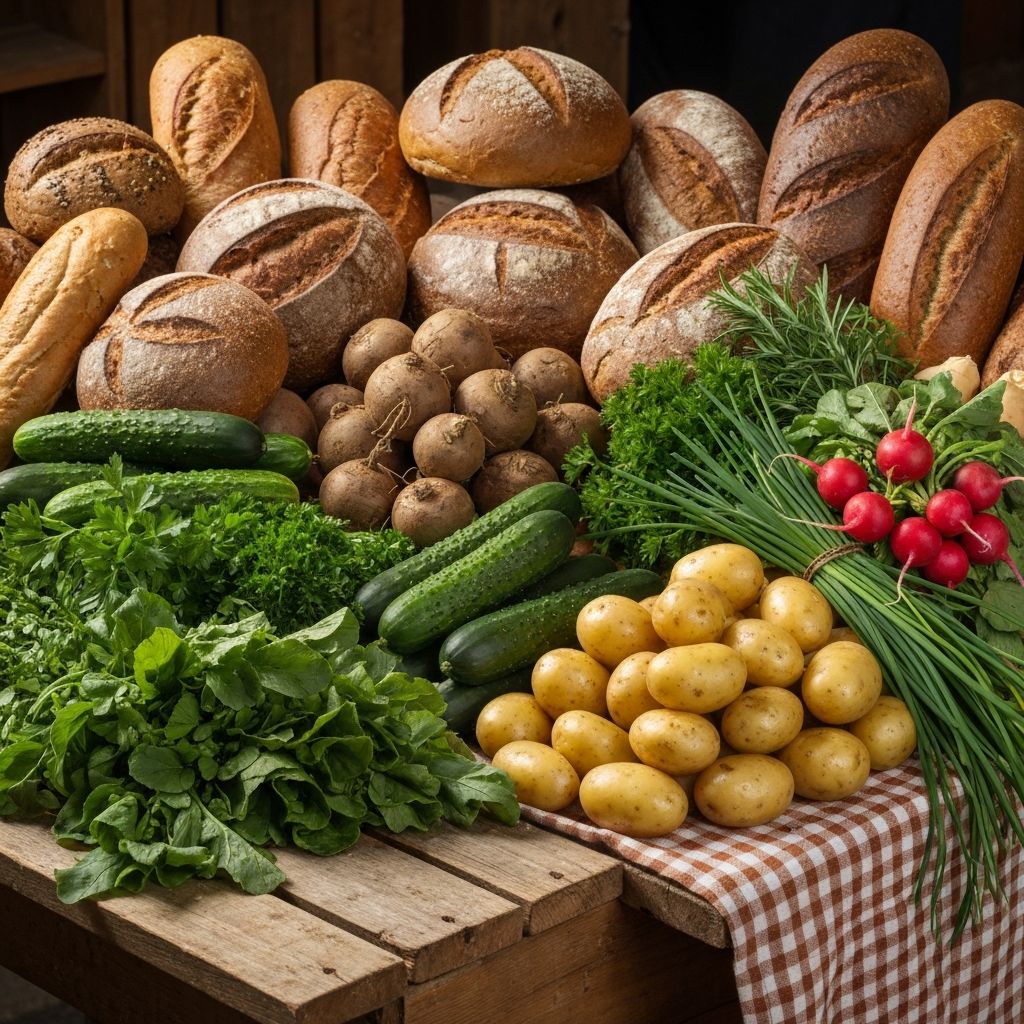
Cultural Dietary Habits in Germany
German dietary traditions reflect a combination of historical influences, regional variations, and modern adaptations. Traditional German cuisine includes a variety of breads, meat products, potatoes, and seasonal vegetables.
Contemporary dietary patterns in Germany show diversity, incorporating both traditional dishes and international influences. Urban areas particularly display a wide range of food choices reflecting global culinary traditions.
Understanding regional dietary patterns provides context for how food culture shapes nutrition habits and preferences across different populations.

Meal Composition and Balance
Meal composition refers to the combination of different food groups within a single eating occasion. Common approaches include combining proteins, carbohydrates, fats, and vegetables in varying proportions.
Different dietary traditions emphasize different compositional patterns. Some focus on grain-based meals, others on protein-centered dishes, and many incorporate diverse combinations based on cultural preferences.
Observing meal composition patterns helps understand the diversity of nutritional approaches and how different cultures structure their eating habits.
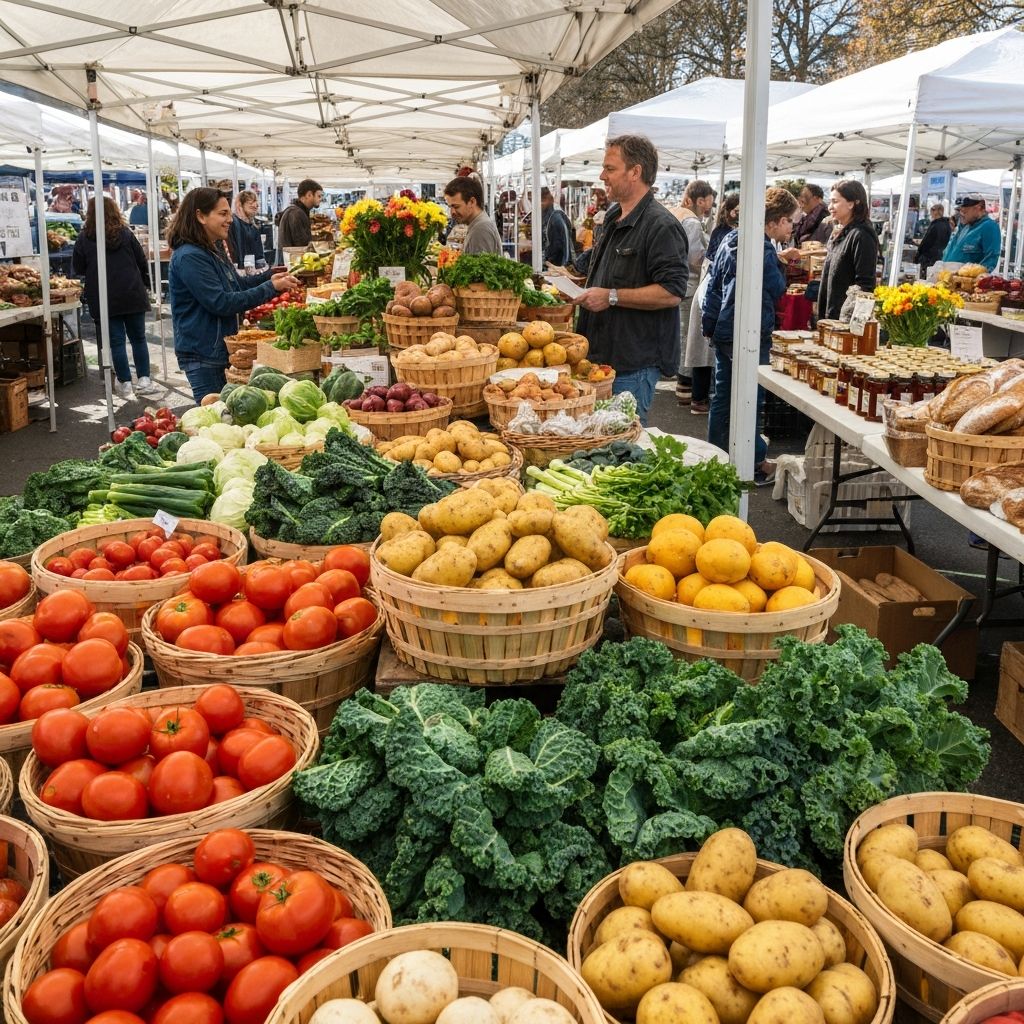
Ingredient Sourcing and Origin Overview
Food ingredients originate from various geographical regions and agricultural systems. Understanding where foods come from provides context about dietary diversity and global food systems.
Modern food supply chains connect local consumers with ingredients from around the world, while local and regional food systems maintain connections to traditional agricultural practices.
The origin of ingredients influences their availability, cultural significance, and integration into different dietary patterns across populations.
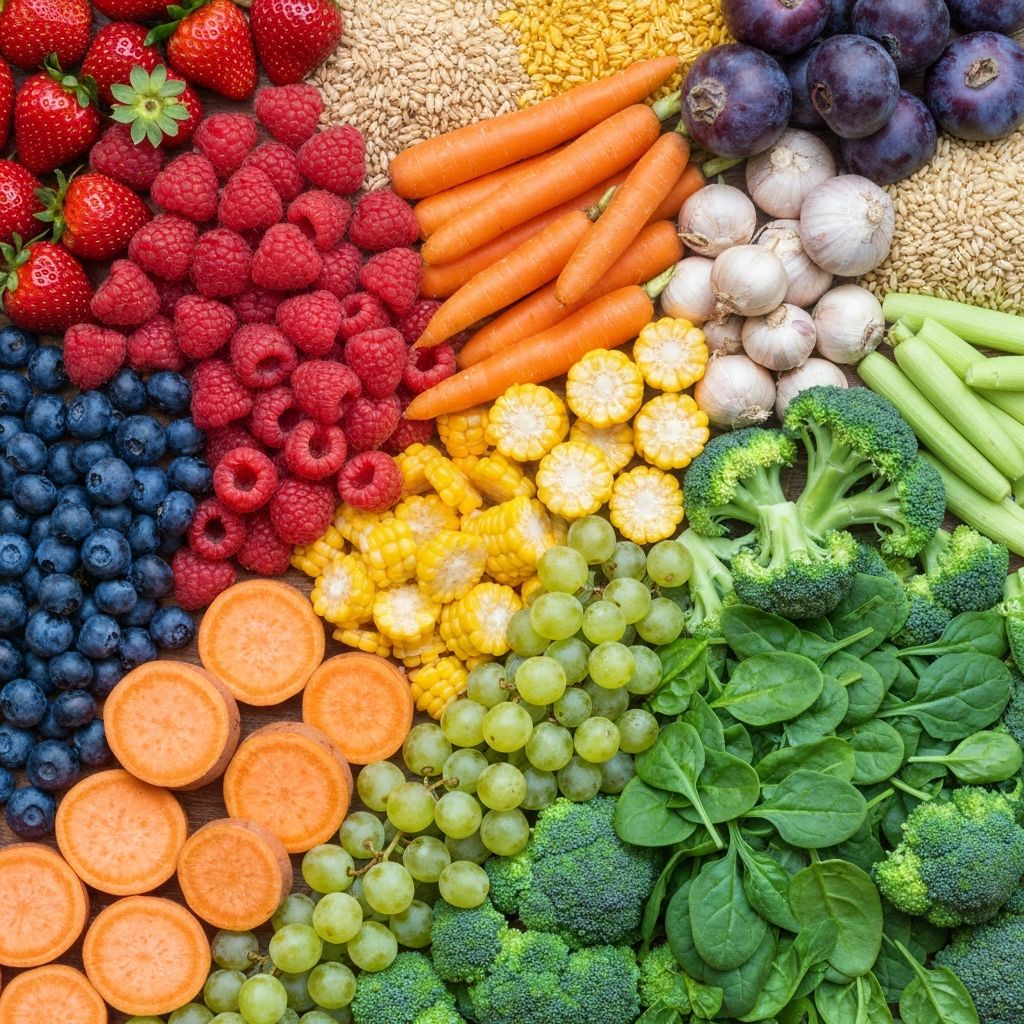
Educational Notes on Nutritional Variety
Nutritional variety refers to consuming a wide range of different foods and ingredients over time. This concept is discussed in nutritional education as one aspect of dietary patterns.
Different food categories provide different nutrients, and consuming diverse foods exposes individuals to a broader spectrum of nutritional components found in various ingredients.
Educational resources about nutrition often describe the concept of variety as part of understanding how dietary patterns develop and differ across populations.
Frequently Asked Questions
What is the purpose of this resource?
This resource provides educational information about men's nutrition habits and the context of natural supplements. It is designed for informational purposes only.
Does this site provide dietary recommendations?
No. This resource describes and explains nutritional concepts without providing individual recommendations or guidance for personal dietary decisions.
What are natural supplements?
Natural supplements are substances derived from plants, minerals, and other naturally occurring sources that have been part of various dietary traditions throughout history.
Is this information specific to Germany?
While this resource is based in Germany, the educational content covers nutritional concepts and dietary patterns from various cultures and regions worldwide.
Can I use this information for personal decisions?
This resource provides educational context only. Personal dietary decisions should be based on individual circumstances, preferences, and consultation with appropriate resources.
Stay Informed
Subscribe to receive educational updates about nutrition habits and dietary patterns.
Educational content only. No medical services. No promises of outcomes.